
Student Trip
Tanzania Field Study Programme – Ecosystems, Evolution & Human Systems
Group<. Flexible Departures

Tanzania Field Expedition – 14-Day Student Programme
A structured field expedition concept for Swedish students in biology, geography, and sustainability science.
Isaba Safari Adventures is a Sweden-based academic field partner working with Tanzania-based operational networks. We have identified a clear gap in international field education: students receive strong theoretical training in ecosystem science and physical geography but have limited access to structured, method-based ecosystem field training in real African environments.
This concept proposes a framework for a potential ecological survey-based learning programme in Tanzania, where landscapes function as living field laboratories for biodiversity monitoring, wildlife population observation, and applied conservation field methods.
The concept includes Tarangire National Park, Lake Manyara National Park, Ngorongoro Crater, Olduvai Gorge, Serengeti National Park, and Lake Eyasi, each representing a potential module for structured ecosystem field training and comparative environmental analysis.
Students are fully taken care of from arrival. The programme price covers all on-the-ground costs, including transport, accommodation, meals, and field operations, ensuring a seamless academic flow and removing the logistical burden of independent travel and coordination.
This is not a fixed itinerary but a co-designed academic framework aligned with university learning outcomes in ecosystem science and geography.
PROGRAMME OVERVIEW
Day 1 Arrival
Day 2 Materuni Chagga Tribe Experience
Day 3 Safari begins Tarangire National Park
Day 4 Serengeti National Park
Day 5 Serengeti National Park
Day 6 Ngorongoro Crater
Day 7 Lake Eyasi and Hadzabe Experience
Day 8 Departure
14-Day Tanzania Student Field Study Program
A structured academic field program combining ecosystem science, conservation biology, human evolution, and cultural geography. Students engage in progressive field learning through guided observation, structured data collection, and reflective analysis across Tanzania’s major ecological and cultural systems.
The program is designed to align with Swedish upper-secondary and introductory university-level courses in biology, geography, and sustainability science, with emphasis on field methodology and systems thinking.
The course follows a clear scientific progression:
Physical geography → savannah ecology → wetland systems → closed ecosystem evolution → large-scale migration ecology → human–environment systems → academic synthesis
DAY 1: ARRIVAL IN ARUSHA – ORIENTATION
Arusha functions as the academic entry point into East African field systems, positioned between multiple ecological zones and research landscapes.
Students are introduced to field methodology, research ethics, and ecological observation frameworks used in university-level field courses.
Learning focus:
Field-based scientific learning methods
Research ethics in protected environments
Introduction to Tanzanian ecosystem zones
Formulation of student research questions
ACCOMMODATION: Private Villa: Moivaro Coffee Lodge
DAY 2: KILIMANJARO FOOTHILLS (RONGAI FIELD TRANSECT)
The Rongai foothills provide a structured altitudinal field transect from lowland agriculture into montane forest ecosystems.
Students observe how climate, elevation, and water availability shape ecological zones.
Learning focus:
Altitudinal zonation and ecosystem transitions
Physical geography of mountain environments
Hydrology and water-source systems
Field transect methodology and spatial observation
ACCOMMODATION: Snowcap Cottages
DAY 3: TARANGIRE NATIONAL PARK – SAVANNAH ECOSYSTEM STRUCTURE
After breakfast at Snowcap Cottages students depart with their field guide for Tarangire National Park, approximately 120 km west of Arusha (around 3.5 hours). The journey passes through rural landscapes that illustrate human–environment interaction in northern Tanzania, providing early context for field observation.
Tarangire National Park is a representative dry savannah ecosystem shaped by strong seasonal rainfall variation and water limitation. It is a key site for studying how ecological systems respond to environmental stress and resource distribution.
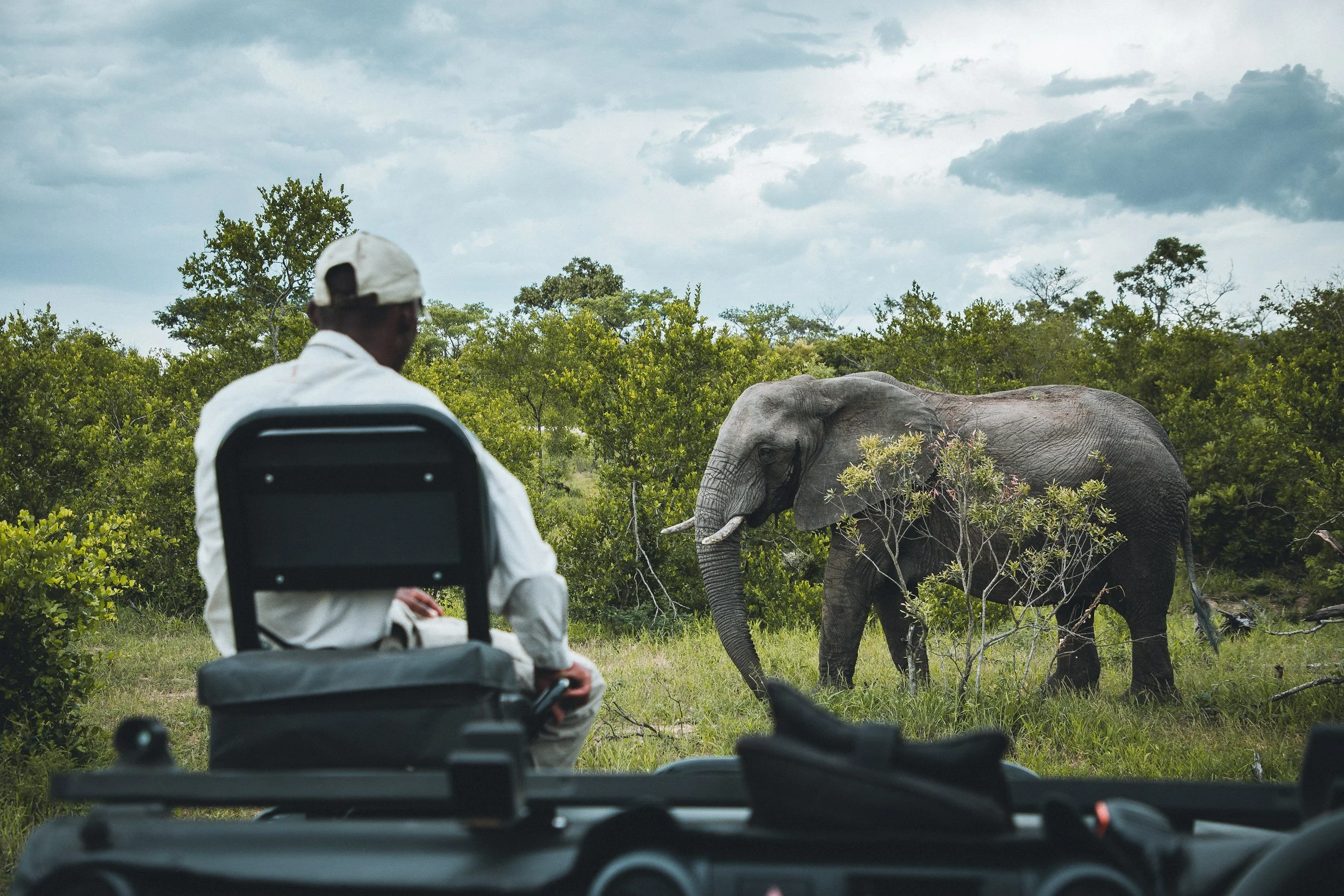
Students conduct structured field observations focusing on ecosystem structure and species interactions. Fieldwork includes identification of herbivores, birds, and vegetation patterns, with particular attention to the role of elephants in shaping habitat structure through feeding behaviour and movement patterns.
A packed lunchbox and water is provided and taken in a designated picnic area inside or near the park, allowing students to observe the landscape while maintaining a low-impact field practice.
Learning focus:
Food webs and savannah ecosystem structure
Species identification and behavioural ecology
Field observation techniques
Elephants as ecosystem engineers
Seasonal ecological adaptation
ACCOMMODATION: Migunga Tented Camp
DAY 4: TARANGIRE – BIODIVERSITY & HUMAN IMPACT
Tarangire National Park
This day focuses on conservation systems and human influence beyond protected areas.
Learning focus:
Biodiversity distribution in savannah systems
Human–wildlife interaction and land use pressure
Conservation strategies and protected area management
Sustainable tourism systems
ACCOMMODATION: Migunga Tented Camp
DAY 5: LAKE MANYARA – WETLAND & FOREST ECOLOGY
Lake Manyara National Park
Lake Manyara provides a compact ecosystem with strong hydrological and ecological variation.
Learning focus:
Wetland hydrology and water cycles
Forest microclimates and biodiversity niches
Bird migration and species diversity
Ecosystem variation at small spatial scales
ACCOMMODATION: Crater Forest Tented Camp
DAY 6: NGORONGORO CRATER & OLDUVAI GORGE – CLOSED SYSTEMS & HUMAN EVOLUTION
Ngorongoro Crater
Olduvai Gorge
A combined ecological and evolutionary field system linking biodiversity and human origins.
Learning focus:
Closed ecosystem dynamics and carrying capacity
Predator–prey equilibrium in high-density systems
Fossil interpretation and early human evolution
Environmental change and adaptation over time
ACCOMMODATION: Crater Forest Tented Camp
DAY 7–8: SERENGETI NATIONAL PARK – LANDSCAPE ECOLOGY
Serengeti National Park
Serengeti represents one of the world’s largest functioning migration ecosystems.
Learning focus:
Migration ecology and population movement
Landscape-scale ecosystem connectivity
Predator–prey behavioural systems
Climate influence on ecological systems
ACCOMMODATION: Ikoma Tented Camp
DAY 9: SERENGETI – FIELD RESEARCH METHODS
Serengeti National Park
Students apply structured scientific field methods in real ecological conditions.
Learning focus:
Scientific observation and sampling methods
Data recording and ecological documentation
Group field research design
Interpretation of ecological data
ACCOMMODATION: Ikoma Tented Camp
DAY 10: SERENGETI – CONSERVATION SCIENCE
Serengeti National Park
Focus on applied conservation challenges in a global biodiversity hotspot.
Learning focus:
Conservation biology and sustainability systems
Human–wildlife conflict
Habitat fragmentation and climate impacts
Environmental monitoring and analysis
ACCOMMODATION: Ikoma Tented Camp
DAY 11–12: ARUSHA – HUMAN GEOGRAPHY & INDEPENDENT LEARNING
Arusha
Students transition from ecological systems to human-environment systems and cultural geography.
Learning focus:
Cultural geography and livelihoods
Sustainable land use systems
Urban–rural environmental interaction
Independent observation and reflection
ACCOMMODATION: Private Villa: Moivaro Coffee Lodge
DAY 13: ACADEMIC WORKSHOP – SYNTHESIS
Moivaro Conference Centre, Arusha
Final academic integration session with expert input from conservation professionals.
Learning focus:
Integration of ecosystem, evolution, and sustainability science
Presentation of field research findings
Academic reflection and peer evaluation
Linking fieldwork to Swedish curriculum outcomes
ACCOMMODATION: Private Villa: Moivaro Coffee Lodge
DAY 14: DEPARTURE
Kilimanjaro International Airport
Final consolidation of field learning and transfer of knowledge to academic context.
Final outcomes:
Practical field science experience
Ecosystem systems understanding
Human–environment analysis skills
Sustainability competence
Trip Itinerary
On this unforgettable expedition, we will explore the very best of Tanzania—immersing ourselves in vibrant African culture, witnessing breathtaking wildlife, and creating lasting memories with your crew. Experience the thrill of Hadzabe hunting traditions and connect with the Chagga and Maasai tribes, gaining a deeper understanding of Tanzania’s rich heritage. We will also give back to inspiring community projects, ensuring our adventure makes a meaningful impact while celebrating brotherhood, culture, and the beauty of Africa.
DAY 1: Arrival in Tanzania
Welcome to Tanzania, gentlemen! Upon arrival at Kilimanjaro International Airport, you’ll be greeted and driven just five minutes to Kia Lodge. Take a refreshing dip in the pool, unwind at the bar, or relax after your flight as you settle in. Optional excursions include exploring Arusha town, wandering local markets, or visiting the stunning Chemka Hot Springs with their turquoise waters.
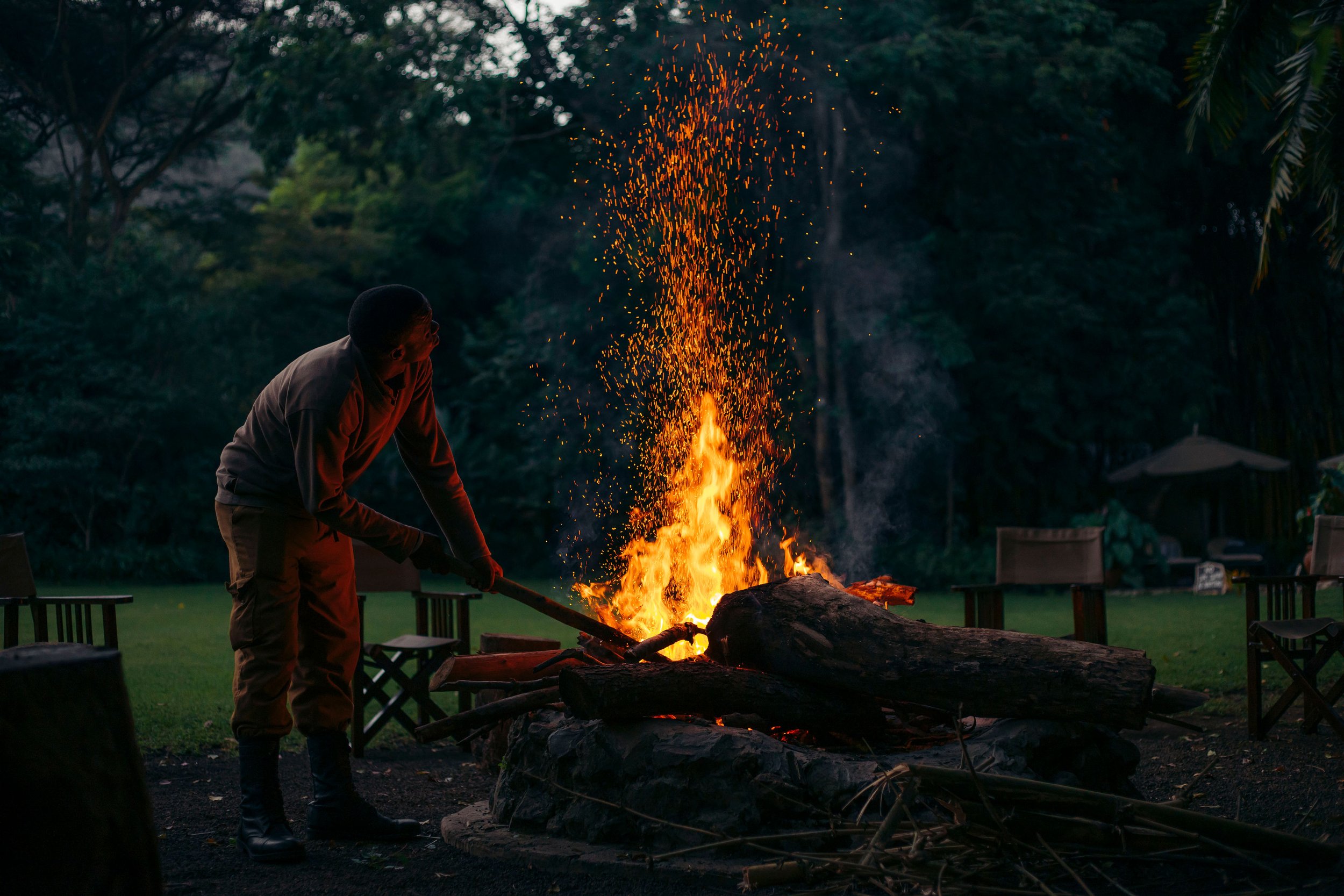
Enjoy your first evening together under African skies around a campfire at the lodge, sharing stories, laughter, and a delicious dinner. Moivaro Coffee Lodge is the perfect soft landing for your adventure, offering comfort, tranquility, and the excitement of what’s to come.
ACCOMMODATION: Private Villa: Moivaro Coffee Lodge
Dag 2: Kilimanjaro experience (Materuni & Chagga culture)
After breakfast at Moivaro Lodge, you depart with ISABA SAFARI ADVENTURES towards Materuni Village, located on the slopes of Mount Kilimanjaro. The drive takes approximately 1.5 hours, passing through lush green landscapes filled with coffee plantations, banana farms, and small villages — offering your first real glimpse into life in Tanzania’s highlands.
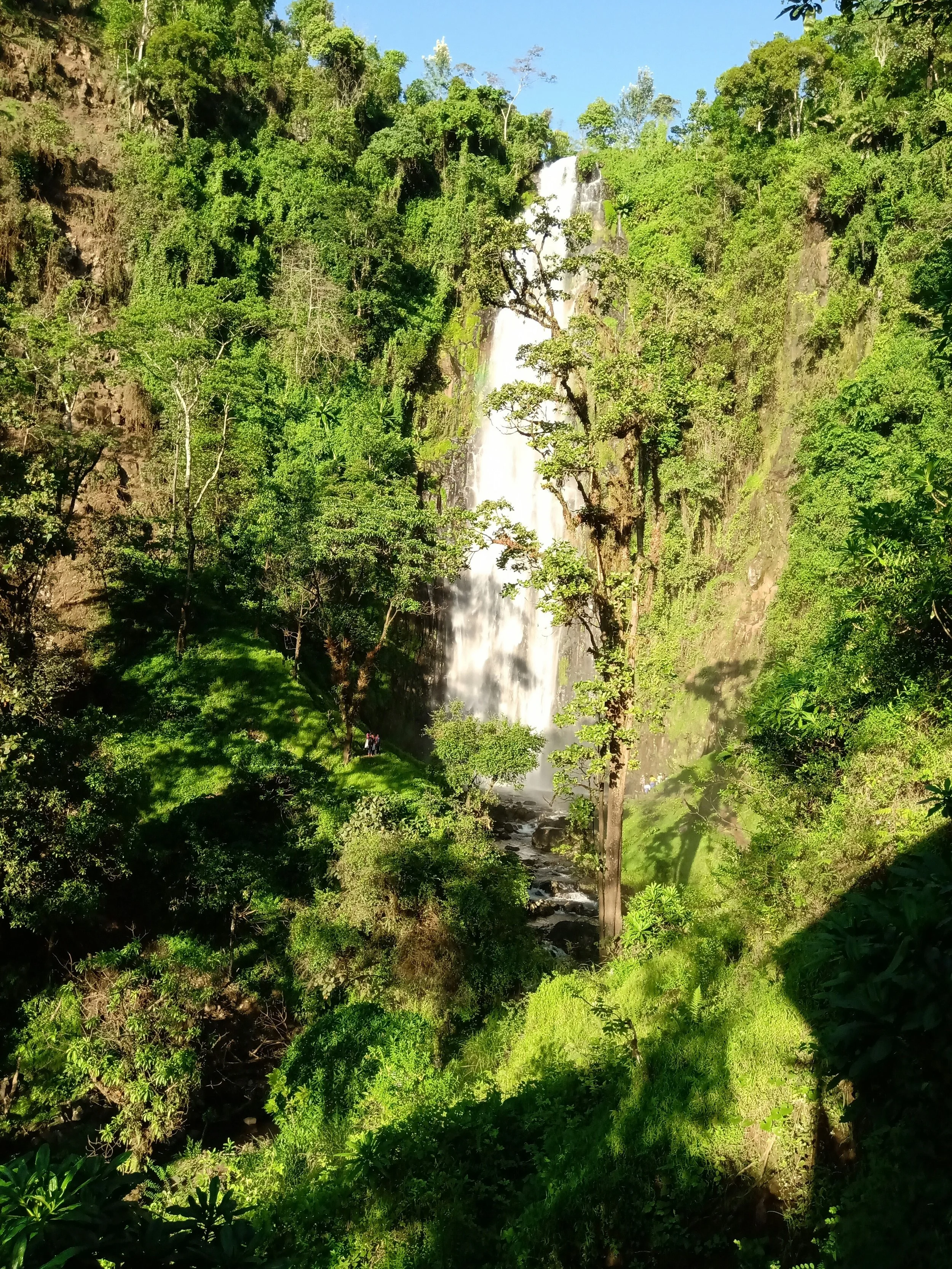
Upon arrival, you are welcomed by local Chagga guides who lead you through the village and into the rainforest on the way to the stunning Materuni Waterfall. The hike is approximately 3–4 km round trip and takes you through coffee plantations, banana trees, and dense tropical vegetation. Along the way, you’ll experience rich birdlife and the unique ecosystem that makes the Kilimanjaro region so special.
At the waterfall, you are met by a spectacular drop cascading into a crystal-clear natural pool, surrounded by dense jungle. Here you have time to swim, take photos, and enjoy the fresh mountain air while your guide shares stories about the nature and culture of the area.
After the waterfall experience, you continue to a local coffee farm where you get a hands-on introduction to the traditional Chagga coffee culture. You follow the entire process — from picking coffee cherries, roasting them over an open fire, grinding using traditional methods, and finally tasting freshly brewed Kilimanjaro coffee.
During the visit, you also experience one of the most unique traditions of the Chagga culture — homemade banana beer (mbege), brewed from bananas and millet and used in social and cultural gatherings. Here you will both taste it and learn about its importance in the local community.
After this authentic cultural experience, a local lunch is served in the village before you return to Arusha and Moivaro Lodge for relaxation and an evening at leisure.
ACCOMMODATION: Private Villa: Moivaro Coffee Lodge

Day 3: Tarangire National Park Safari
After a good breakfast at Arusha Safari Lodge, you are picked up by your safari guide and head towards Tarangire National Park, about 120 km west of Arusha (approx. 3.5 hours drive). Along the way, you pass through Tanzania’s vibrant landscapes and rural life before reaching the wilderness.
With packed picnic lunch boxes, you enter one of Tanzania’s most impressive parks. Tarangire National Park covers around 3,000 km² and is at its most spectacular during the dry season, when wildlife gathers around the life-giving Tarangire River.
This is where the real safari energy begins.
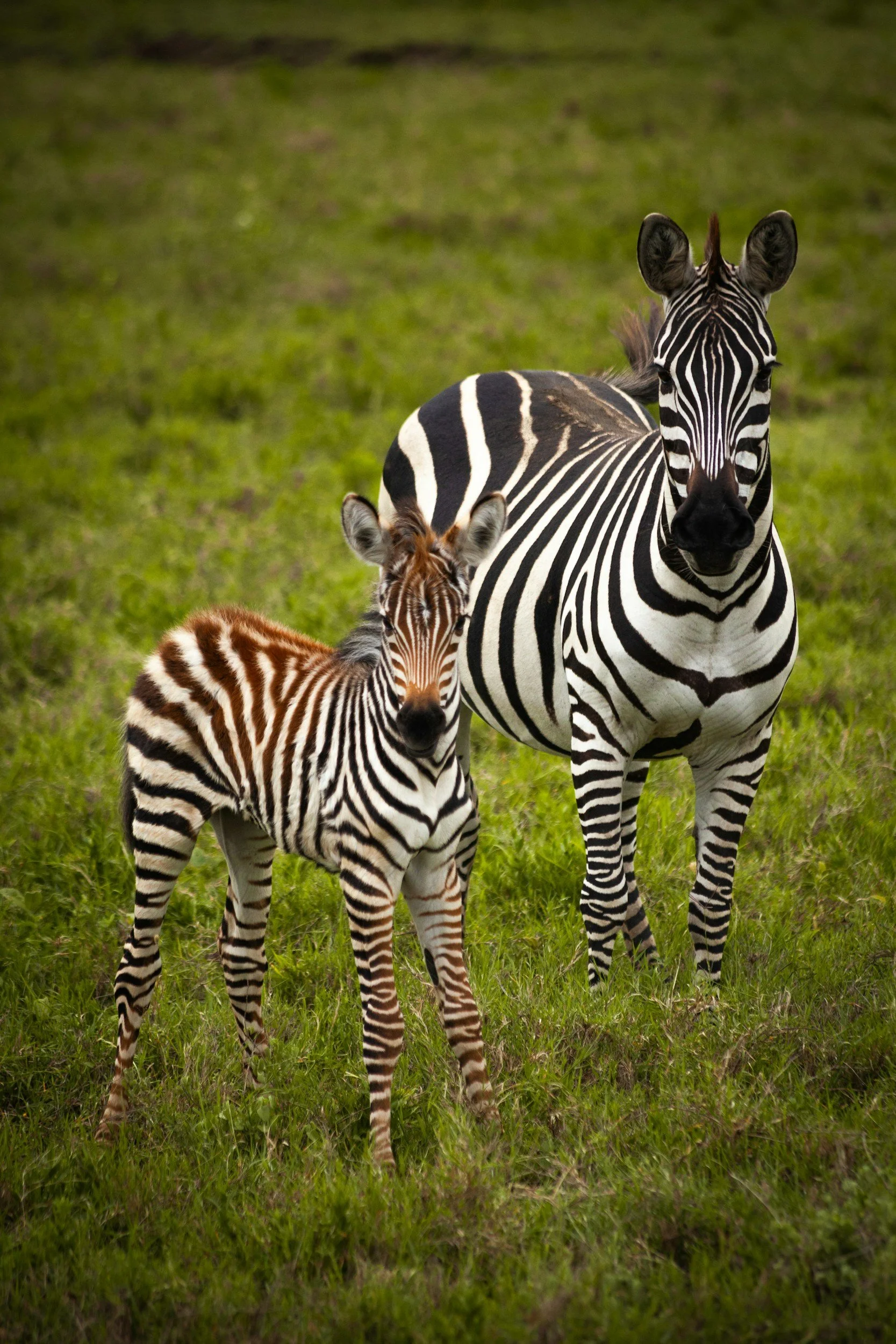
You move across open savannahs and river valleys in a 4x4 safari jeep with a pop-up roof, scanning the horizon for wildlife. Expect massive herds of elephants, wildebeest, zebras, eland, and oryx moving across the plains — often in dramatic, close-up encounters.
Tarangire is known as the “Land of Elephants”, home to Tanzania’s largest elephant populations, often seen in large family groups led by powerful matriarchs. The landscape is also dominated by ancient baobab trees, standing like natural monuments across the savanna.
Your guide brings the experience to life, sharing stories about survival, predator behavior, and the hidden balance of the ecosystem as you track wildlife throughout the day.
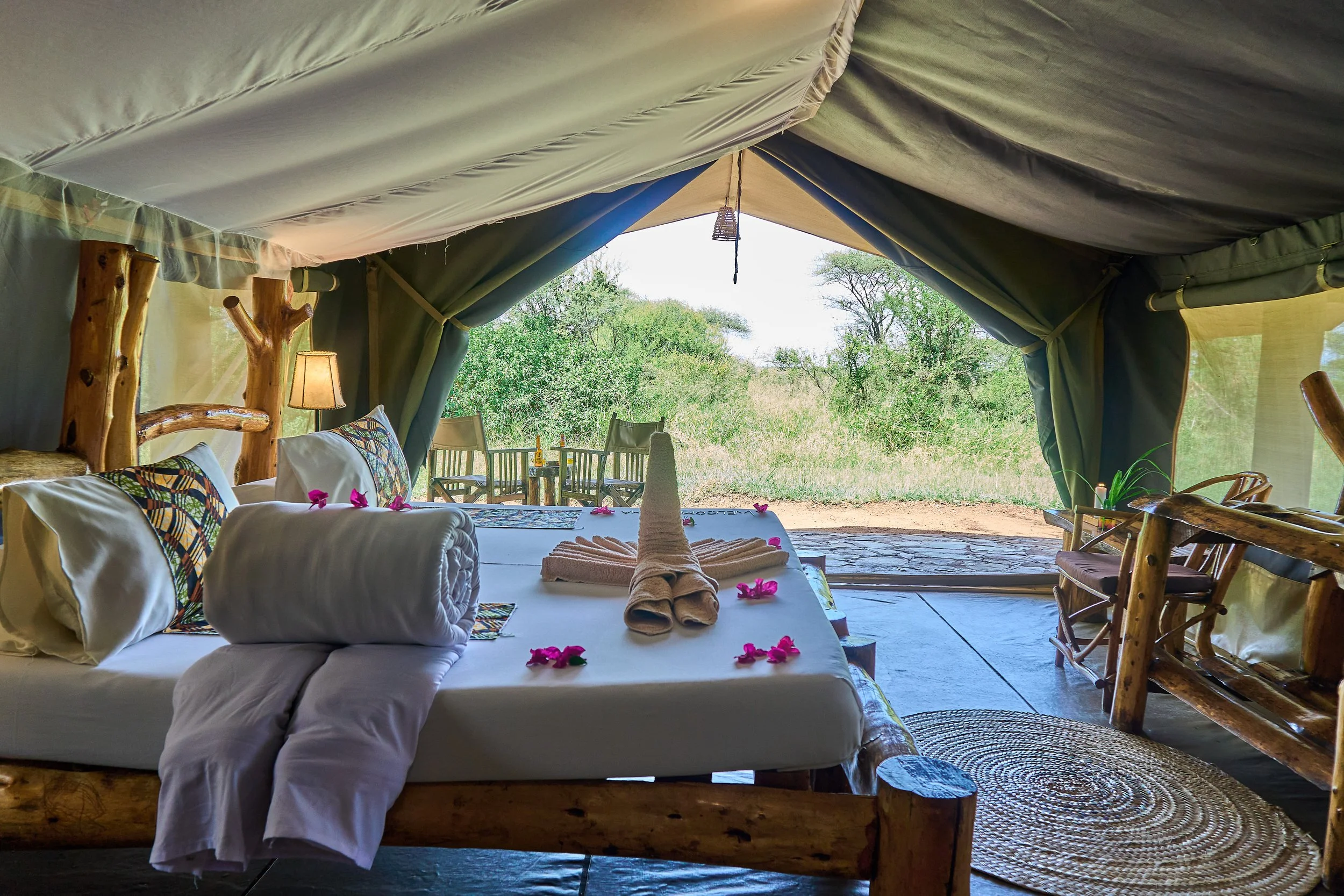
ACCOMMODATION: Migunga Tented Camp
DAY 4: Serengeti National Park (en-route game drive)
Today you set out for a full-day game drive in the world-famous Serengeti National Park, one of the most iconic safari destinations on earth. Endless horizons, dramatic predator encounters, and unforgettable sunsets define this landscape. The name Serengeti comes from the Maasai word “siringet”, meaning “endless plains” — a fitting description for Tanzania’s second-largest national park, covering nearly 15,000 km² and home to the highest concentration of wildlife in Africa.
Between June and July, the park becomes the stage for the Great Migration. Millions of wildebeest, joined by zebras and gazelles, move across the plains in search of fresh grazing, crossing the Grumeti and Mara Rivers where crocodiles lie in wait. This 1,000+ km journey is one of the Seven Natural Wonders of Africa, involving nearly two million animals and an annual loss of up to 250,000 wildebeest — a brutal yet extraordinary natural cycle.
Night Safari Experience
After dinner, a unique night adventure begins:
19:15 – Briefing at campfire or reception. Safety instructions and equipment handout.
19:20 – Departure in a specially equipped 4x4 safari vehicle.
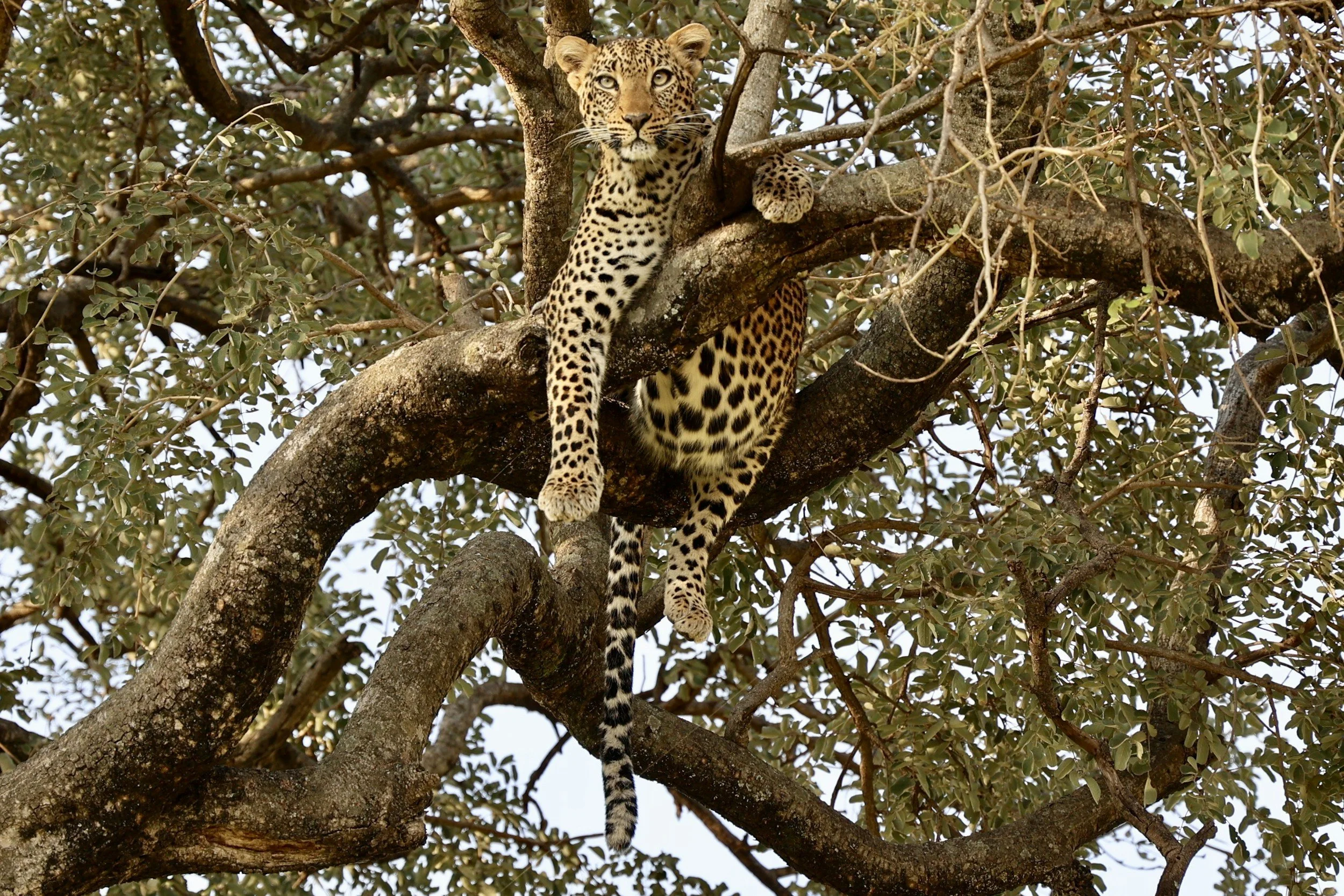
19:30–21:30 – Night safari in Ikoma Wildlife Management Area. Search for nocturnal wildlife including leopard, hyena, bush babies, genets, porcupines, and more. The sounds of lions and hyenas dominate the darkness.
21:30–22:00 – Return to camp under a star-filled sky. Optional campfire drinks before rest.
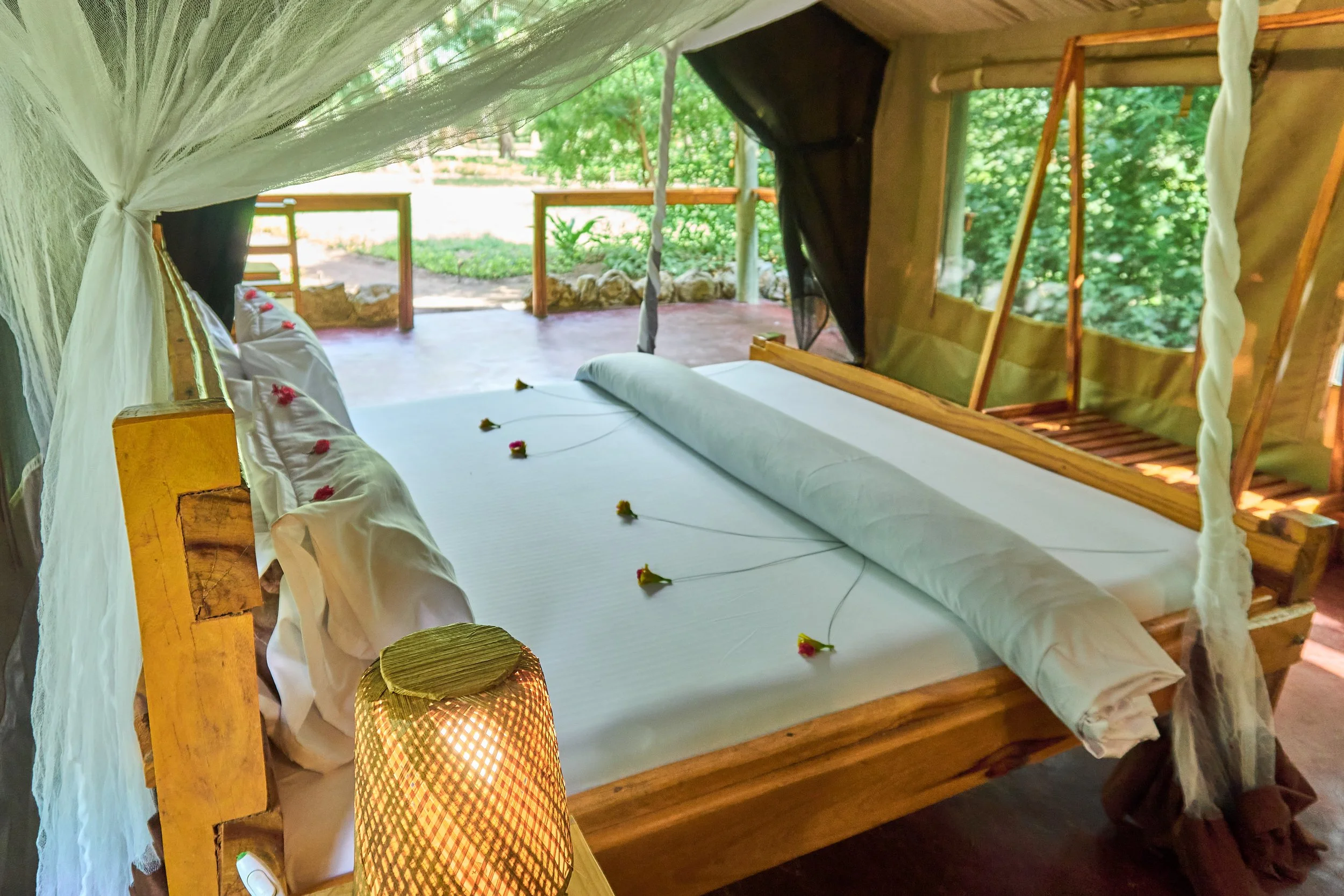
ACCOMMODATION: Ikoma Tented Camp
DAY 5: Full day Serengeti game drive
After breakfast, head to Serengeti National Park, passing scenic highlands and Maasai villages. Serengeti’s endless plains are alive with wildlife—watch giraffes nibble treetops, zebras graze gracefully, and cheetahs lounge in the sun. Stop along the way for game viewing and photo moments.
In the evening, settle into Ikoma Tented Camp and share stories with your girls while the sunset paints the savanna in gold and pink hues. Optional activities include a guided walking safari or a quiet sunset drink together. Serengeti’s magic leaves everyone in awe.
ACCOMMODATION: Ikoma Tented Camp
Dag 6: Ikoma Tented Camp – Safari I Ngorongorokratern
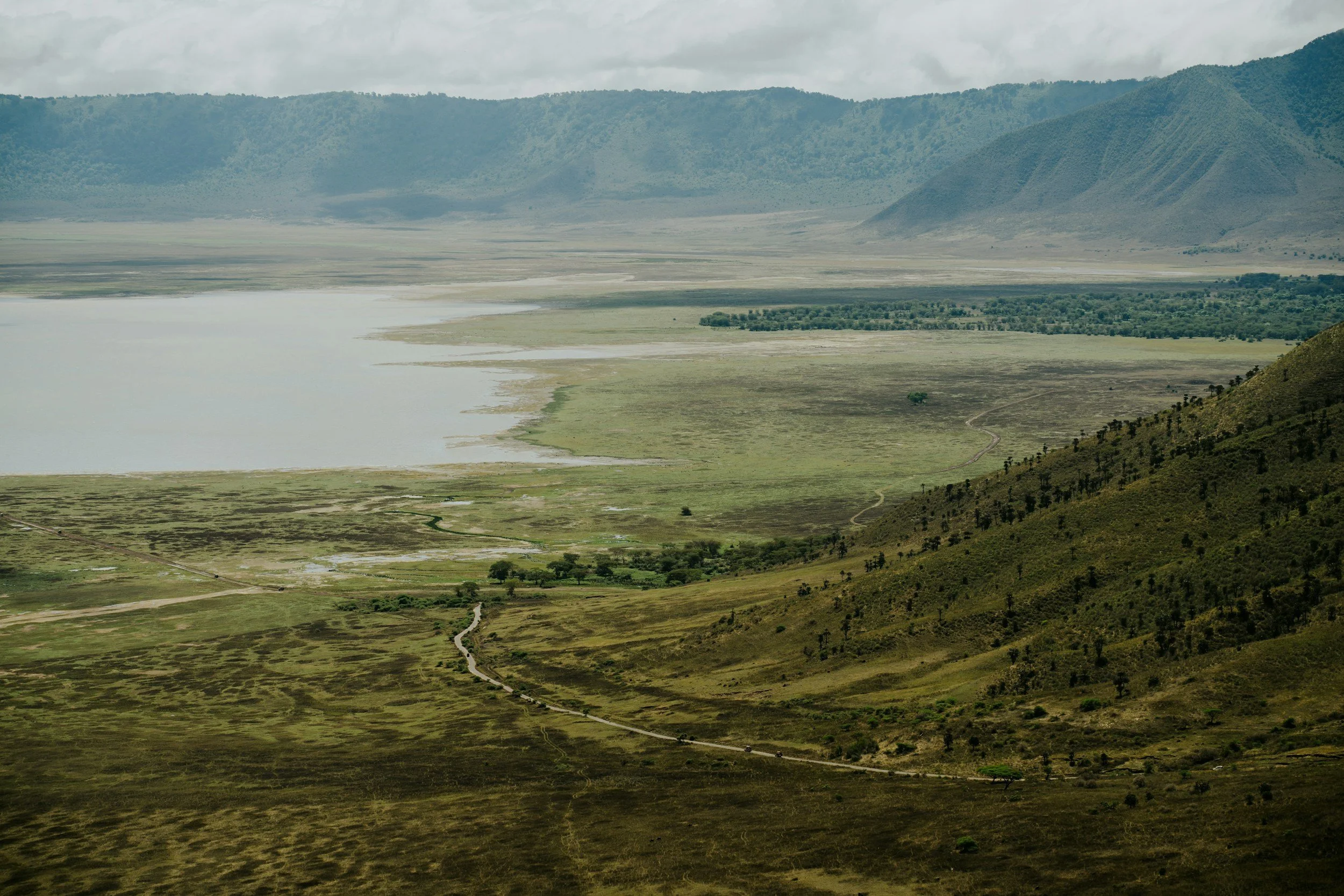
After breakfast, you depart from Ikoma Tented Camp early in the morning and head towards the world-famous Ngorongoro Crater. After registration at the gate, you descend along the steep crater walls into one of Africa’s most unique safari ecosystems.
The Ngorongoro Crater is one of the most spectacular natural wonders on earth — a massive volcanic caldera over 20 km in diameter and around 600 meters deep. It holds one of the highest concentrations of wildlife in Africa, making it one of the best places on the continent for close-up game viewing. You have strong chances of seeing predators, large herds of grazing animals, and even the rare black rhino.
You stop at scenic viewpoints for photos before entering the crater floor. During the game drive, you pass through the lush Lerai Forest, a dense highland woodland with a tropical feel and prime elephant territory. Near the wetlands lies the so-called “elephant graveyard,” where older bulls are believed to gather in their final stages of life to feed on soft grasses. A picnic lunch is served inside the crater, surrounded by breathtaking scenery.
Evening in Ngorongoro
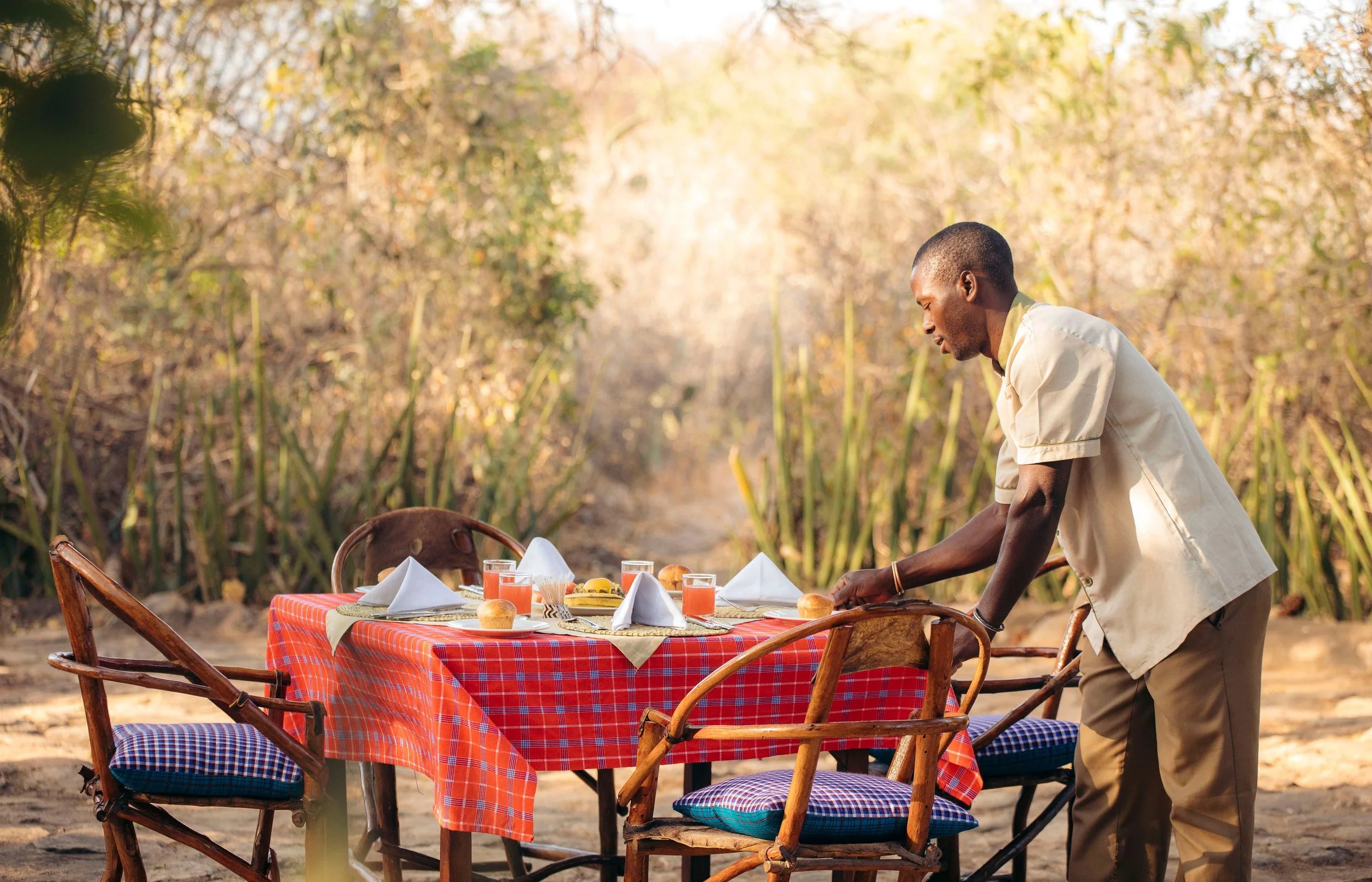
After an unforgettable safari day, you continue to the highlands surrounding the crater.. You arrive at Crater Forest Tented Camp, beautifully located on a coffee estate at 1,800 meters above sea level. The camp offers a peaceful and intimate atmosphere, surrounded by lush greenery, forest, and sweeping views of the highlands.
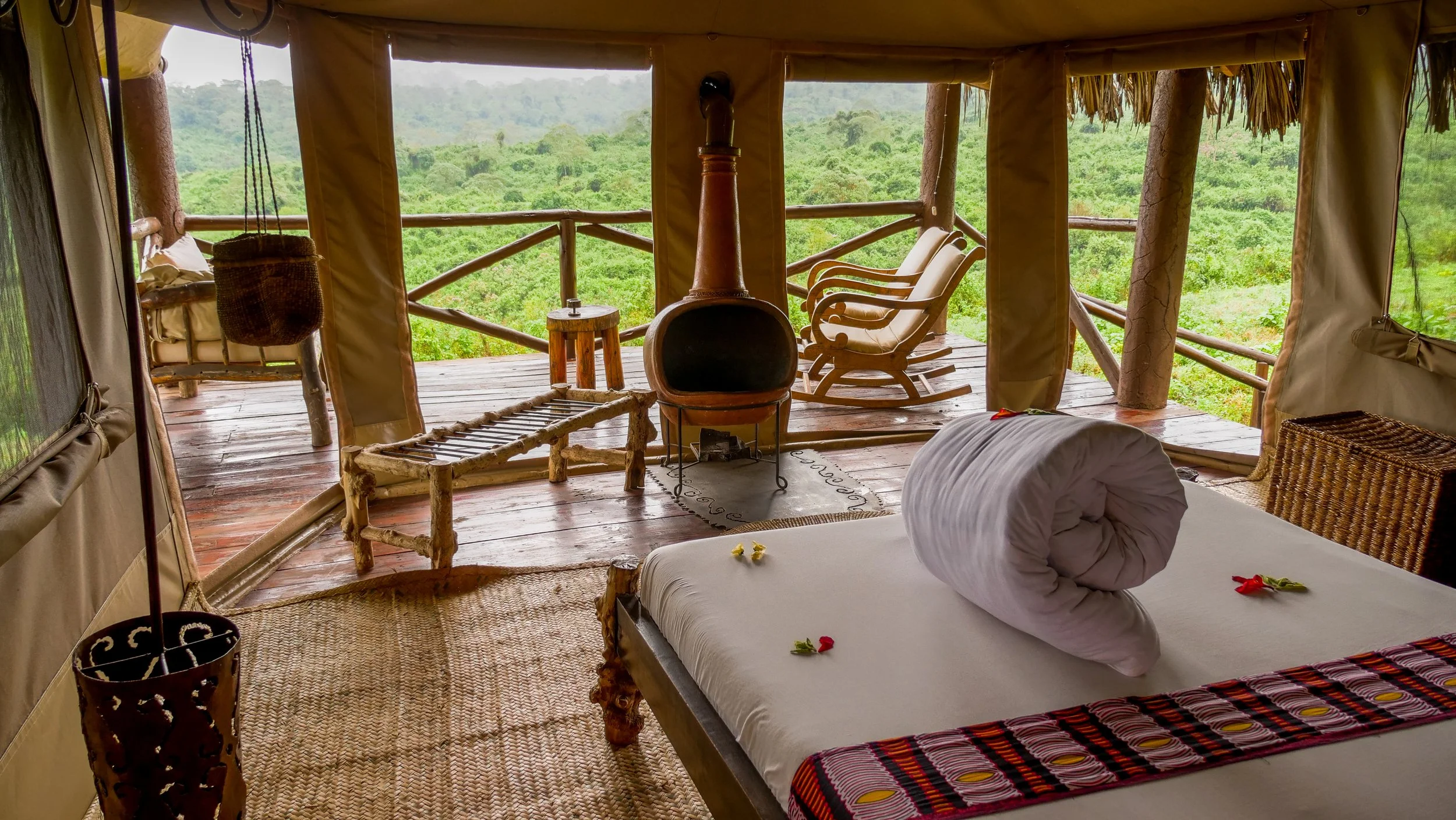
ACCOMMODATION: Crater Forest Tented Camp
Day 7: Lake Eyasi – Hadzabe & Datoga Experience
After breakfast, with a packed lunch, you head towards Lake Eyasi, a remote and wild landscape where ancient traditions are still part of everyday life.
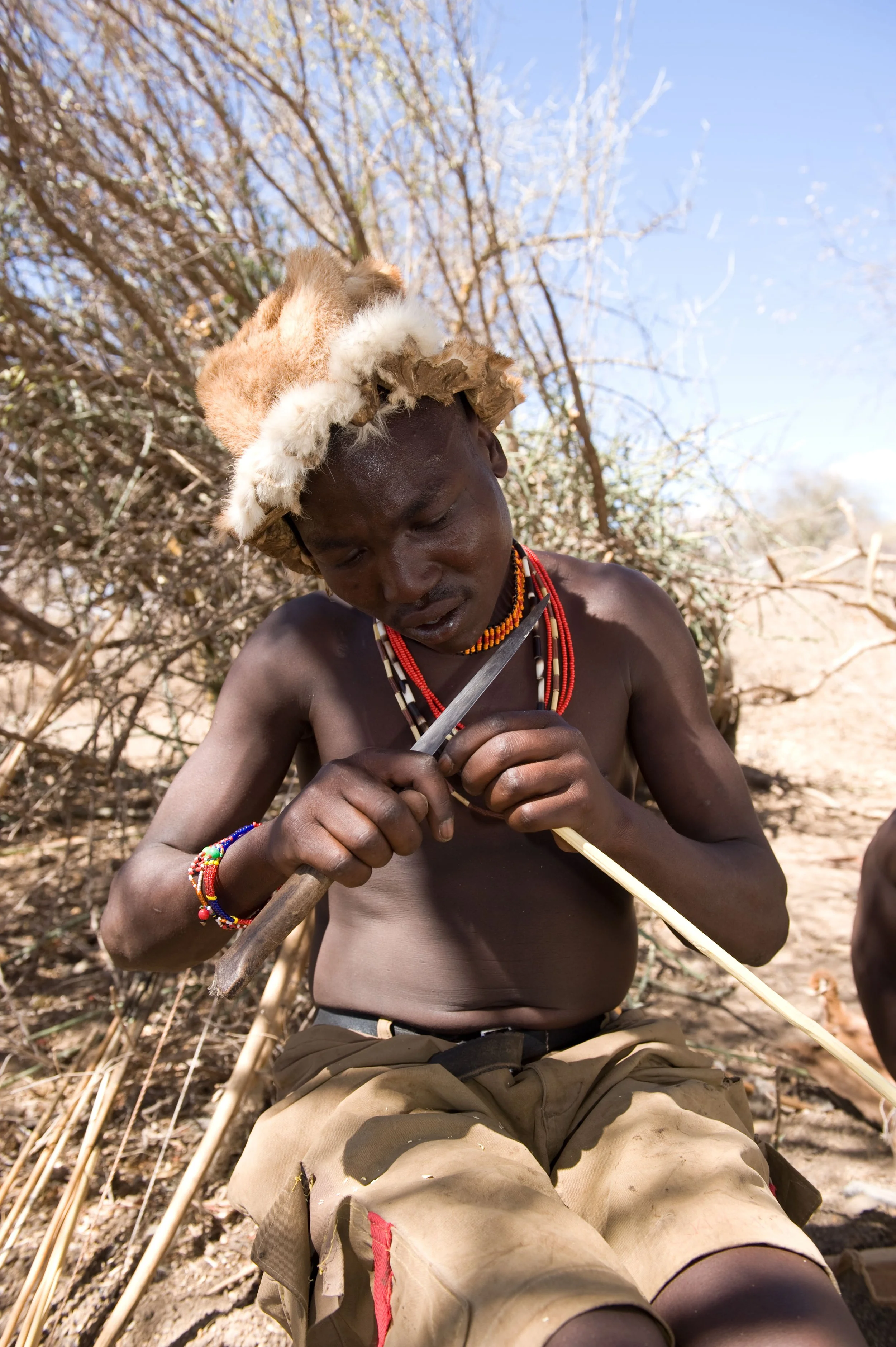
In the morning, you meet the Hadzabe tribe, one of the last true hunter-gatherer societies in Africa. This is where things get real.
You join the men of the tribe on a traditional hunting walk — moving quietly through the bush, learning how they track animals using footprints, sounds, and instinct. No modern tools, no shortcuts — just skill, patience, and pure survival knowledge passed down for generations.
You’ll see how they use handcrafted bows and poison-tipped arrows, how they read the land like a map, and how teamwork between the men is essential for every hunt. It’s fast, focused, and deeply impressive — a completely different definition of “skill and precision.”
After the hunt experience, you return for a relaxed picnic lunch in nature.
In the afternoon, you visit the Datoga tribe, skilled blacksmiths and cattle herders. Here you watch men forge metal by hand, shape arrowheads, and create tools used in daily life and hunting. Their craft is intense, traditional, and still very much alive.
This day is about raw survival skills, tradition, and the role of men in two of Africa’s most authentic living cultures.
ACCOMMODATION: Tindinga Tented Camp
DAY 8: DEPARTURE DAY
Your boys’ safari adventure may end here.
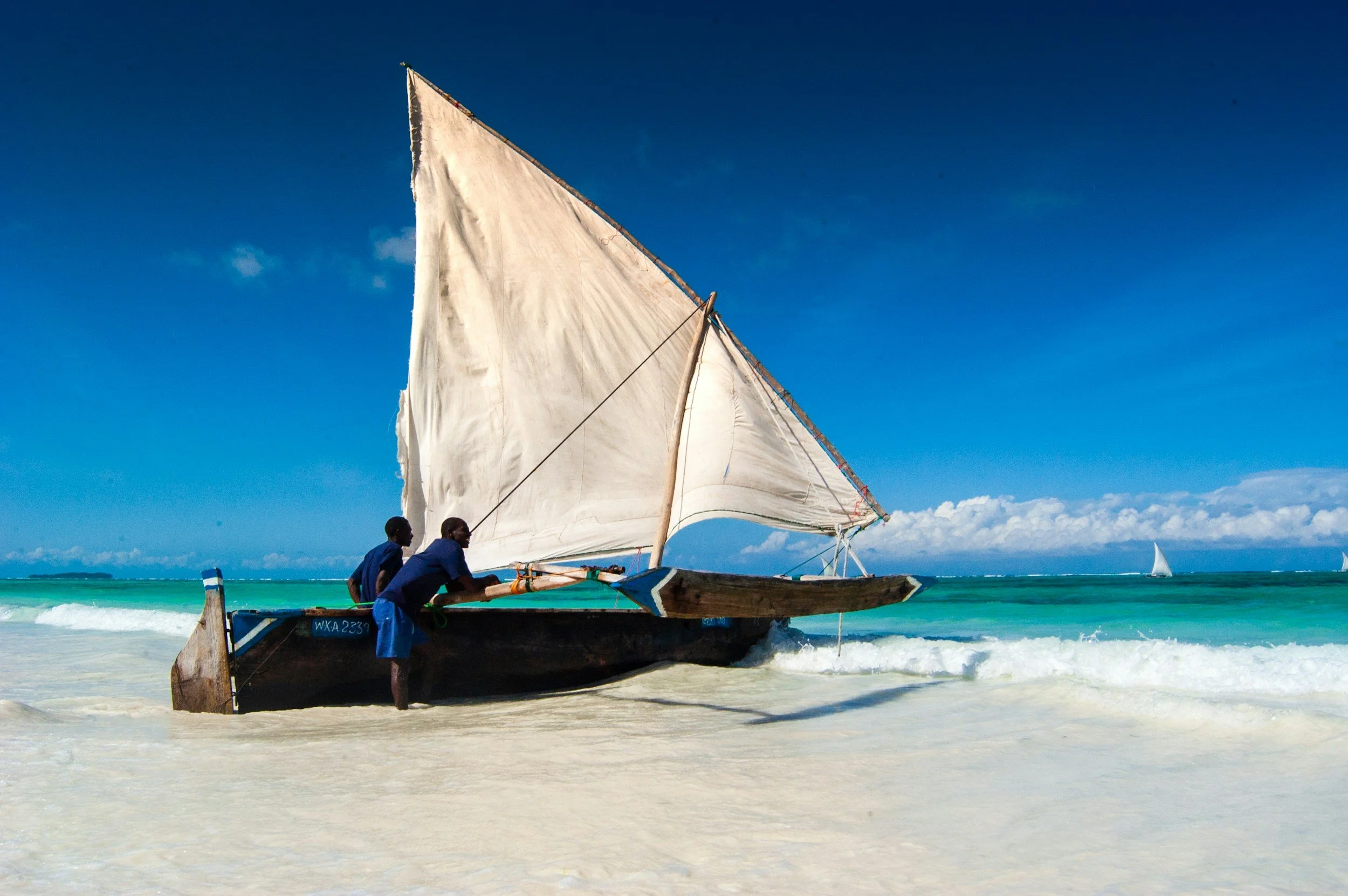
You can transform your safari trip into paradise on Zanzibar’s spice island. Imagine long chats on soft white beaches, snorkelling in turquoise waters, or exploring Stone Town’s historic alleys. Whether you choose relaxation or discovery, Zanzibar is the perfect place to wrap up an unforgettable ’ trip.
KARIBU TENA
About the Field Study
Isaba Safari Adventures presents this tailored 14-Day Student Field Study in partnership with Konokono Safaris and Moivaro Lodges, long-established and ethically driven operators with extensive experience in Tanzania. The collaboration is grounded in sustainable tourism and structured academic field learning.
This programme is designed as a structured field study, combining ecological observation, environmental analysis, and applied conservation learning across Tanzania’s key ecosystems:
Tarangire National Park – savannah ecology, elephant-driven landscape processes, and wildlife population observation
Lake Manyara National Park – wetland systems, forest ecology, and biodiversity variation
Ngorongoro Crater – closed ecosystem dynamics and species interactions
Olduvai Gorge – human evolution and environmental change
Serengeti National Park – migration ecology and large-scale ecosystem systems
Lake Eyasi – human geography and adaptation systems
In Arusha, students reflect on field observations and connect findings to ecosystem science and geography curricula through guided academic discussion.
The experience is supported throughout by professional field guides and structured learning facilitation, ensuring academic relevance, safety, and continuity in fieldwork. On the final day, guest lecturers from conservation and environmental research backgrounds contribute to the academic synthesis and final reflection session, linking field experience to current scientific practice.
Program Basics
Dates: Aligned with academic fieldwork schedule
Duration: 14 Days / 13 Nights
Trip Style: Structured field study programme (ecosystem science & geography)
Category: Academic, ecological & cultural field learning
Group Size: Flexible (university cohorts or school groups)
Transport: Travel in 4x4 safari field jeeps throughout the programme
Accommodation: Lodges & tented field camps
Meals: All meals included
Host: Isaba Safari Adventures
Field Partners:
Konokono Safaris – logistics and field operations
Moivaro Lodges & Tented Camps – accommodation, meals, and academic facilitiesProgramme Fee: USD 3,010 per student (payment plans available)
Who This Field Study Is For?
This 14-Day Tanzania Field Study Programme is designed for students in MFS (Master’s level field studies), bachelor’s programmes in physical geography, ecology, environmental science, and sustainability, as well as advanced upper-secondary students preparing for university-level fieldwork.
Isaba Safari Adventures positions this programme as a response to a clear gap in European field education: while students are trained strongly in theory, many programmes lack structured, curriculum-aligned fieldwork outside Europe where ecological systems can be studied at scale and in real conditions. This programme is designed to bridge that gap through a fully structured, method-driven field environment in Tanzania.
The focus is on applied ecosystem field training, ecological survey methods, biodiversity monitoring, and wildlife population observation, with continuous linkage to academic learning outcomes in ecosystem science and physical geography.
Students work across interconnected field systems including savannah, wetland, crater, mountain, migration, and human-environment landscapes in Tarangire National Park, Lake Manyara National Park, Ngorongoro Crater, Olduvai Gorge, Serengeti National Park, Lake Eyasi, and the Rongai transect at the foothills of Mount Kilimanjaro.
The programme is structured to function as a living field laboratory, where ecosystems are not observed passively but studied through guided scientific fieldwork, data collection, and analysis in real environments.
It is intended for institutions seeking a reliable, structured, and academically aligned partner for field education outside Europe, ensuring continuity between classroom theory and real-world ecosystem science.
Inclusions
14 Days & 13 Nights Accommodation
All Meals
All Transport & Transfers
RSC Local Guide
Safari, Game Drives, Tours, Cultural visits
Set Of High-Res Edited Trip Photos
Community Activities (as mentioned)
Exclusions
International Flights
Personal Travel Insurance
Personal Purchases, Souvenirs, Tips
Visas
Bar Drinks
Early Bird Price
USD $3, 010
Payment Plans Available
(Inclusive of 20% deposit)
Ready to Join the Ultimate Boys’ Safari Adventure?!
It’s time to pack your bags, rally your crew, and embark on a once-in-a-lifetime journey through Tanzania! Experience breathtaking wildlife, unwind under African skies, and connect with the incredible communities we support.
Our trips are by invitation only, so complete this application to start your adventure. Approval is required before booking—once confirmed, you’ll receive payment details, a welcome packet, and tips for making the most of your experience.
Apply Today and Let the Adventure Begin!
